Why some (or most) of my projects aren’t open source.

Every time I make a project, I get a sort of DM, email, or comment, which goes like: “Repo link?”, “Is this on GitHub?”, or the classic “Open source when??”

I get it. The dev community thrives on sharing. But if you look at my GitLab profile, you’ll see Tiny Taskbot, my File Organiser, and maybe a few other bits and pieces… but you won’t see my greatest projects.

People think I’m being stingy, or that I hate open source (which I don’t), but there’s a method to the madness. Here is why most of my work stays under lock and key…


1. The “Google” Logic (Granular Control)

Let’s be real: Google doesn’t host the source code for Search or Gmail on a public repo just because the UI looks nice (thanks M3E!).

When a project is truly excellent, when it’s high-performing or solves a specific problem perfectly – keeping it private is about granular control.

When you open-source something, you aren’t just sharing code; you’re often inviting a chaotic committee of opinions, feature requests, and forks.

Sometimes, I want a project to stay exactly what I envisioned it to be, without the pressure of making it “universal” for everyone else’s edge cases.

I do not want to spend my day closing PRs that have no logical meaning… “Oh, your CSS has 1 extra space”, or “Here, I changed the <h1> to a <h2> for no reason at all”... I’m not hating on these people, just to reiterate, but… It’s not worth calling out tiny problems.

2. The Mechanic’s Philosophy

I view my old or “stale” code a bit like a project car.

If I have a script that’s looking a bit ugly or I’ve moved on to a newer version, that is when I’m likely to release it into the wild. Why? Because it’s like a mechanic giving you a car that needs work.

You wouldn’t go to the mechanic every day to fix a minor problem you can fix yourself.

By releasing the “stale” stuff, I’m giving people a foundation to tinker with. It’s a learning tool. You get to get your hands dirty, fix the “ugly” parts, and learn how it works under the hood. It’s more rewarding for the user and less of a maintenance headache for me.

3. The Quality Filter

I have high standards for what I put my name on publicly. If a project is “excellent,” I might be keeping it private because it’s a competitive advantage (think Train Times) or a personal tool I’m still refining.

If it’s public, I want it to be helpful, like my file organiser. If it’s private, it’s usually because it’s either:

  1. Too precious to let the internet break it.
  2. Too “secret sauce” to give away for free.

So, what’s next?

I’m actually working on a new open-source project right now that I think you guys will actually find useful…

I can’t share much information yet, but keep taking a look here at my blog; I’ll post updates.

Until then, keep tinkering with the projects I have put out there. Just don’t expect the keys to the entire kingdom just because the CSS looks pretty.
Exciting updates for WeatherNow is coming!

WeatherNow Picture
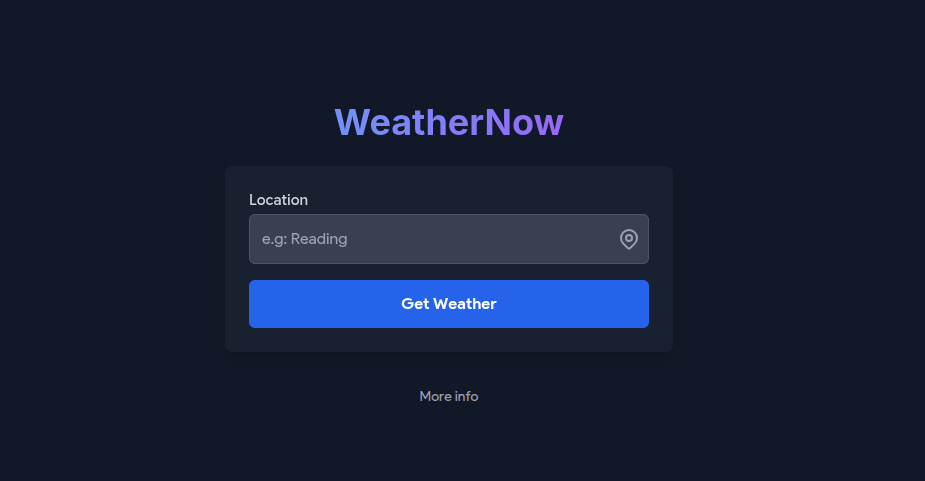
The current WeatherNow interface.

Hey there!

I’ve been working behind the scenes on WeatherNow (as the sole creator really), and I’m really excited to share some of the improvements that are coming your way.

The goal? To make checking the weather faster and easier for all to use.

Here’s what’s being added:

  • Google Maps Integration: Soon, you’ll be able to see the location you’re checking directly on a map. This means no more guessing where that tiny town is, or wondering “Where the heck is Henley?”… You’ll get a visual overview right on the page. (Just a note: this feature will be subject to a limit to make sure I won’t have to pay for the expensive subscription, but it should still make navigation a lot smoother. There will also be a function to turn it off in a new Settings panel later if you do not wish to use the map.)
  • Wind Speed Conversion: Some people prefer mph, others km/h, or if you’re a pilot, knots… I’ll be adding a simple way to switch between units so you can see the wind speed in whichever format makes the most sense to you.
    • (Yes Europeans, you can now celebrate that km/h will be there.)
  • Improved Search Functionality: I heard searching for locations hasn’t always been the smoothest (e.g. Giving wrong towns, or saying a place doesn’t exist when it does). I’m working on making it faster and smarter, so it shouldn’t really happen again.
  • Updated Icons: Weather icons are getting a fresh look, they currently look clipped and messy. They’ll give the site a more modern feel, but I will try and keep some consistency though.
  • Faster Performance: I’m updating the site’s code to the latest standards. That means WeatherNow will load slightly faster, animations will feel smoother, and overall performance should be noticeably improved.
  • Better PWA (App) Integration: WeatherNow is already a PWA. However, I will be taking advantage of several new PWA features to make the app… feel like an app.

I’ll be rolling these updates out gradually in January-February 2026, and I can’t wait for you to try them out. If you notice something that could be better or just have ideas for the future, please do contact me. Your input really helps me make sure I am doing the right thing 😉

— David

The death of the (internet) cookie?

Photo by Vyshnavi Bisani on Unsplash

When you think of a cookie, you probably imagine the food.
Warm. Soft. Delicious… Yum yum.

Unfortunately, the cookies I’m talking about here are nowhere near as exciting. You can’t eat them. They don’t crumble. They don’t go well with tea. Internet cookies are more like… tiny, invisible sticky notes your browser collects whether it likes it or not.

“So David, what are they then?!”

Ahem….
A cookie is basically a small piece of data stored by websites. Most of the time, they’re harmless little things that help the site remember who you are and what you were doing. Think of signing in to a website without cookies, every time you clicked a link or refreshed the page, you’d be kicked out and asked to sign in again.

Very frustrating. I know.

Cookies keep things running smoothly: your login info, what’s in your shopping basket, your theme preferences, your “I’m dark mode till I die” setting… That kind of stuff.

So why am I here, ominously calling this “The death of the internet cookie” like I’m narrating a crime documentary on Netflix?

The downfall begins…

The issue is this: not all cookies are cute and cuddly. Some are… weird. Creepy. The “why do you know where I live, why I wrote an article about the train companies being foreign, and which video I paused at 3:12 last night” kind of creepy.

These are third-party cookies.
Imagine you’re shopping at Tesco, but someone from Asda is following you, taking notes, and then shouting “HEY! I SAW YOU LOOKING AT LASAGNE! WANT MORE LASAGNE?” the next time you’re online.

That’s basically how online ads have worked for years…

Naturally, people got annoyed. Governments got annoyed. and browsers got annoyed.

So big tech companies Google, Mozilla, Apple started cracking down. Safari and Firefox block third-party cookies by default. Google Chrome (the big boss of browsers) promised to phase them out too… although Google has delayed that, then delayed the delay, then delayed the delay of the delay… you get the picture.

But wait…. does that mean the internet breaks?

Here’s the funny part: removing cookies doesn’t mean everything suddenly collapses. Websites aren’t going to transform into cave paintings. But it does mean companies need new ways to track things, run ads, handle logins, and generally keep the internet from having an existential crisis.

Some of these replacements sound cool:

  • Local storage
  • Privacy Sandbox (Google’s “trust me bro” solution)
  • First-party data
  • Some random server-side magic

Others sound… concerning. But that’s probably for another article I’ll write in about 3–6 months.

So… are cookies really dying?

Yep. Well, kind of.
The old creepy ones are being pushed out. The functional ones — the nice cookies that help you stay logged in — are staying.

It’s less “death of the cookie” and more “cookie diet.”
Less tracking, fewer creepy ads, more privacy.

But also more companies scrambling to rebuild their entire ad systems.

Fun times.

Final thoughts…

Cookies changed how the modern internet works. Now we’re watching them slowly fade away… replaced by newer, supposedly less creepy tech. Whether that’s good or bad depends on who you ask.

For users? Probably good.
For advertisers? They’re crying somewhere.

And for me? I’m going to get a cookie.

Side note: I know that we Brits call them biscuits, but I’m using cookie here because that’s what the Internet likes to call them…

Maybe one day a British language pack will come to Chrome… One day…

Why are all the British train companies… not British?

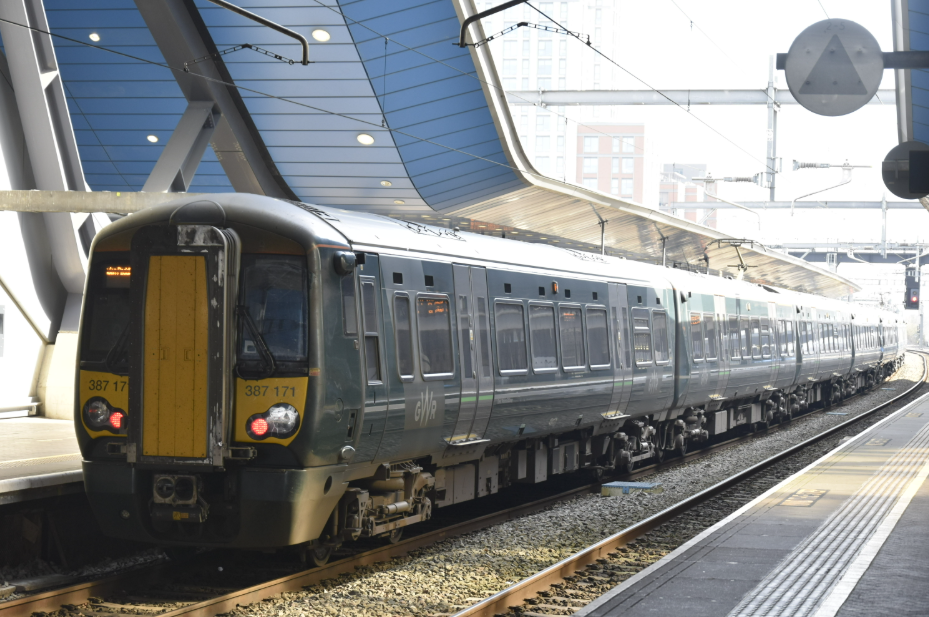
GWR Class 387 at Reading Station (image taken by me)
You may think that all the train companies in the UK are owned by British people or companies, right? Well, you’re wrong.

26 train companies (I do not count Merseyrail or Island Line (owned by SWR) as a train company) are present in the British rail system. Surprisingly most, if not all of them are owned by foreign corporations or people.

Here are a few examples:

Greater Anglia -> owned by Transport UK, which is owned by the Dutch (Abellio, who is owned by NS / Nederlandse Spoorwegen, meaning Dutch Railways)

Chiltern Railways & CrossCountry -> owned by Arriva -> who is owned by I Squared Capital in America (Arriva used to be formerly owned by Deutsche Bahn (German Railways) until 2021.)

Avanti West Coast -> Owned by First and Trenitalia (national train operator of Italy), First owns more of AWC then Trenitalia though.

West Midlands Trains (who owns LNR and WMR) -> Abellio (Dutch), JR East (Japan Rail) and Mitsui & Co. (Japanese conglomerate)

Why so many foreign companies, you ask…

At the core of it all, foreign companies are drawn to owning UK railways for one main reason: money. The CEOs of these companies, much like Mr. Burns, are driven by the desire for profit. Their main goal is to find ways to make money, and buying up railway services in the UK is one way to do that. They’re not afraid to get involved in mergers, acquisitions, or anything that will bring in the cash.

Currently, most of the UK’s rail services are owned by foreign companies. The only major exception is Great Western Railway (GWR), which is owned by a British company, FirstGroup. This makes it stand out compared to the rest of the rail industry, where many other companies are owned by businesses from other countries.

But why are foreign companies so interested in owning UK railways? The short answer is that it’s a great way to make money.

So, are there any benefits of foreign companies owning railway companies?

  1. More Investment
    Foreign companies can bring in a lot of money to improve the railways. They might introduce new trains, update stations, or use advanced technology to make the system more modern. These improvements can make travel better for everyone.
  2. Better Management and New Ideas
    Companies that already run successful rail services in other countries may bring their experience and smart ideas to the UK. This could mean more efficient trains, better customer service, and improved timetables. It can also lead to a better experience for passengers.
  3. Competition Might Lead to Lower Prices
    In a privatised system like the UK’s, when different companies compete, they often try to offer the best deal to win passengers. This competition could lead to lower fares or better service.
  4. Job Creation
    With more investment in the railway system, there could also be more jobs created in maintenance, customer service, and train operations. This can help local economies and support people who work in the industr

The Risks of Foreign Companies Owning railway companies

  1. Focus on Profit, Not Service
    One of the biggest concerns with foreign-owned railways is that the companies might be more focused on making money than providing good service. If the main goal is to boost profits, passengers might face higher fares or poorer service as a result.
  2. What Happens If the Parent Company Struggles?
    Sometimes, the companies that own UK railways face problems back home in their own countries. If a foreign company’s parent company goes through financial trouble, it could affect the UK’s services. This might result in delays, cuts to services, or even a company pulling out of the UK.
  3. Lack of Control Over Our Own Railways
    When foreign companies own UK railways, important decisions might be made by people who don’t live here and who may not care about local needs. This could lead to decisions that aren’t in the best interest of the UK or its people.
  4. Profits Going Abroad
    Instead of profits from the UK’s railways being spent on improving services here or being invested back into the UK, they could be sent back to the parent company’s home country. This means that money that could be used locally is instead being taken abroad.
  5. Fragmentation of the Railway System
    When different companies run different parts of the rail network, it can make things confusing for passengers. If you travel on a train run by one company, your journey might be very different from one run by another company. This could lead to inconsistent service, complicated ticketing, and a disjointed experience.
  6. Too Much Power for Big Foreign Companies
    If too many foreign companies dominate the rail market, there’s a risk that one or two companies could control a large part of the network. This might lead to less choice for passengers, higher prices, and lower-quality service in the long run.

So… should we get more British companies to own TOC’s? It might not happen because of the new GBR system coming soon, but if that did not exist, money could go into investment into Network Rail, HS2 and many other rail projects.

If possibly most of the companies weren’t owned by the Dutch, German, French, whatever country that isn’t Britain, HS2 might not have been cancelled.

(updated July 2025 to reflect the new ownership of SWR, now owned by the Department for Transport)

Should Readybike come back?

Part of the “Mess-ups of Reading” series.

Here’s what I think.

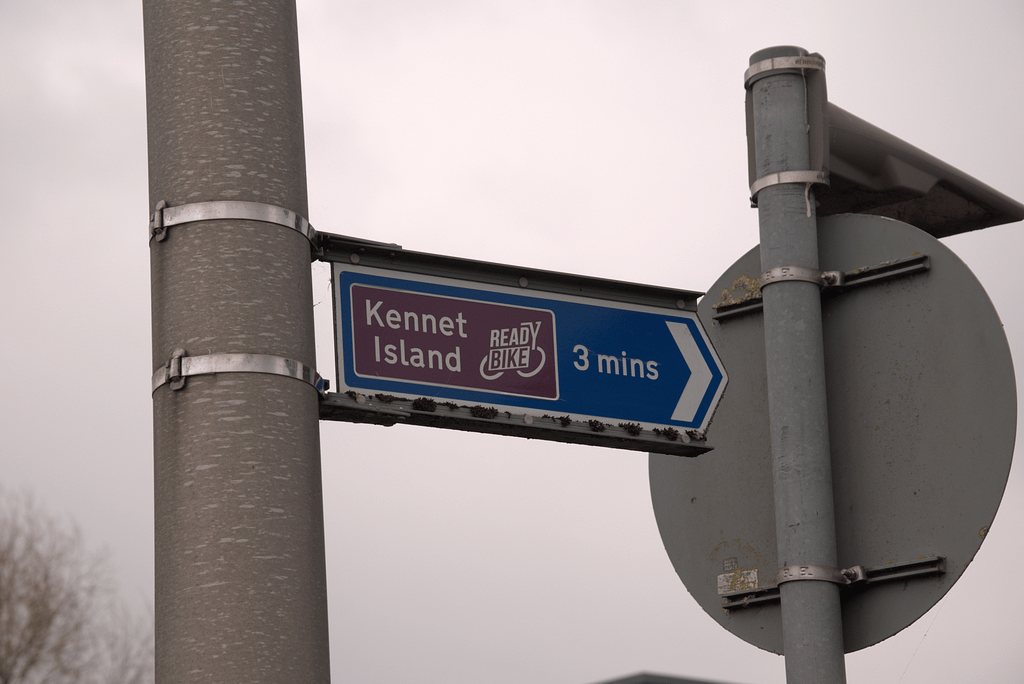
Readybike sign at Kennet Island (Picture taken by me)

If you’re not from Reading, you probably never heard of Readybike, and probably assume it’s a cycle lane network.

To put it into simple terms, Readybike was a scheme created by Reading Borough Council (RBC) and HourBike.

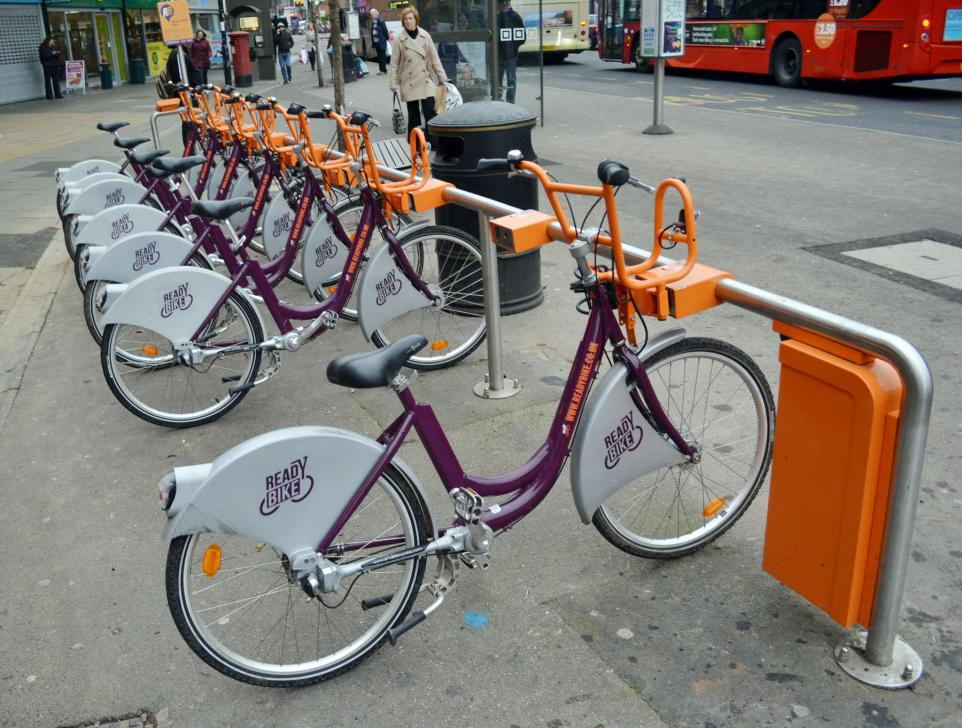
You could use a prepaid card to rent a bike, ride it around Reading and then dock it at a station, similar to the cycle scheme in London. The scheme begun in Reading in May 2014 with a £1.1 million+ grant from the government.

Readybike bikes at a docking station in Central Reading (image: Reading Chronicle)

So you may be wondering: it’s a cool scheme and all, but why did it disappear?

The problem started in 2018, where HourBike lost funds and were unable to continue funding the scheme, RBC did not want to fund the scheme partially, or fully; saying it was “risky”.

In 2019, HourBike ended the partnership with RBC, with only a months notice.

Former Councillor of RBC, Tony Page said:

“Hourbike have solely operated and maintained the ReadyBike scheme in Reading since September 2017 with no financial support from Reading Borough CouncilHourbike’s decision to withdraw with just one month’s notice means we have no option but to mothball the bike hire scheme for a number of months, pending a decision on the future operation of the scheme… It is also important to emphasise that any new arrangement would again involve no subsidy from the Council for the future operation of the scheme, as was the case with the previous Hourbike contract.”

The scheme was fully ended in 2015, because the companies wanting to come forward with new schemes wanted council funding.

RBC tried to create a new “Cycle Hub” but talks collapsed.

The hub was meant to open in West Street in a unit owned by Primark, but withdrew its offer of a lease of the unit to the council in September 2023.

When ReadyBike finished operations, the bikes were placed into storage until 2021, where 75 bikes were given to key workers, then in 2022 given to 50 workers at hotels in Reading, and the rest given to small business owners.

RBC has been exploring other options around cycling and schemes like these, but most talks do not go as planned, or is “a waste of public funds” according to Tony Page after the ReadyBike scheme closed for good.